
This guide is general information, not medical advice. If you have health concerns, please consult a medical professional.
Why crawlspaces collect moisture
Hillside homes in Oakland, Marin and the Peninsula often have crawlspaces where rainwater drains under the house. Bare soil releases moisture into the air, and poor venting keeps it there.
Wood framing that stays damp can support mold growth on joists and subfloors.
Common moisture hotspots in Bay Area homes
- 1Attic & roof deck
- 2Bathroom ceiling
- 3Windows & sills
- 4Under sinks
- 5Behind appliances
- 6Crawlspace / garage
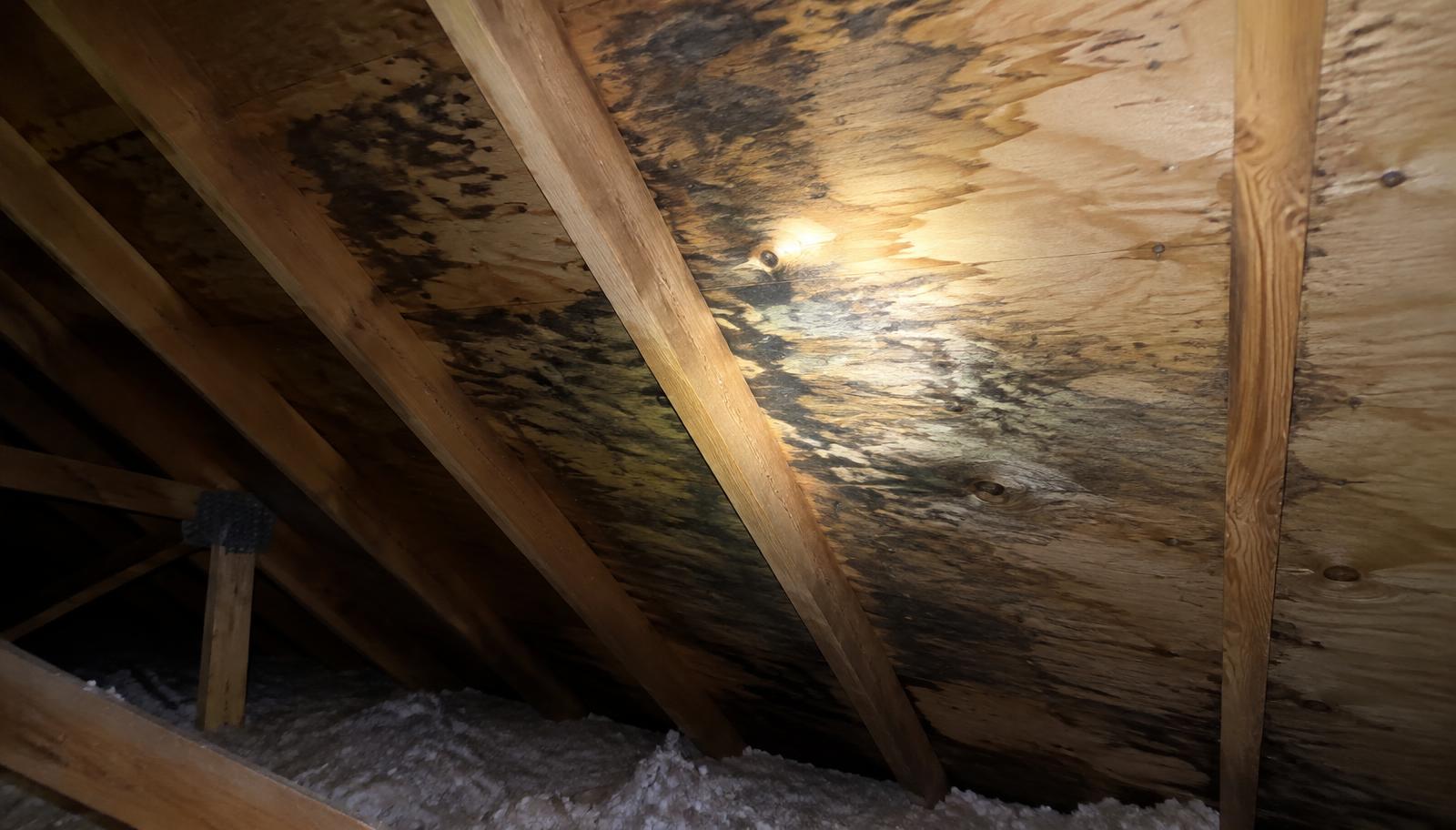
Why attics grow mold
Bathroom and kitchen fans that vent into the attic, roof leaks after winter storms, and blocked soffit vents all trap warm, moist air against the cold underside of the roof.
Dark staining on roof sheathing, frost in winter or a musty attic smell are common signs.
Out of sight shouldn't mean out of mind. Attics and crawlspaces are where moisture hides.
AirCare 365 · Bay Area
Want real numbers for your home?
Inspection, lab-analyzed air samples and a digital report. $520 online, $0 today.
What an inspection checks
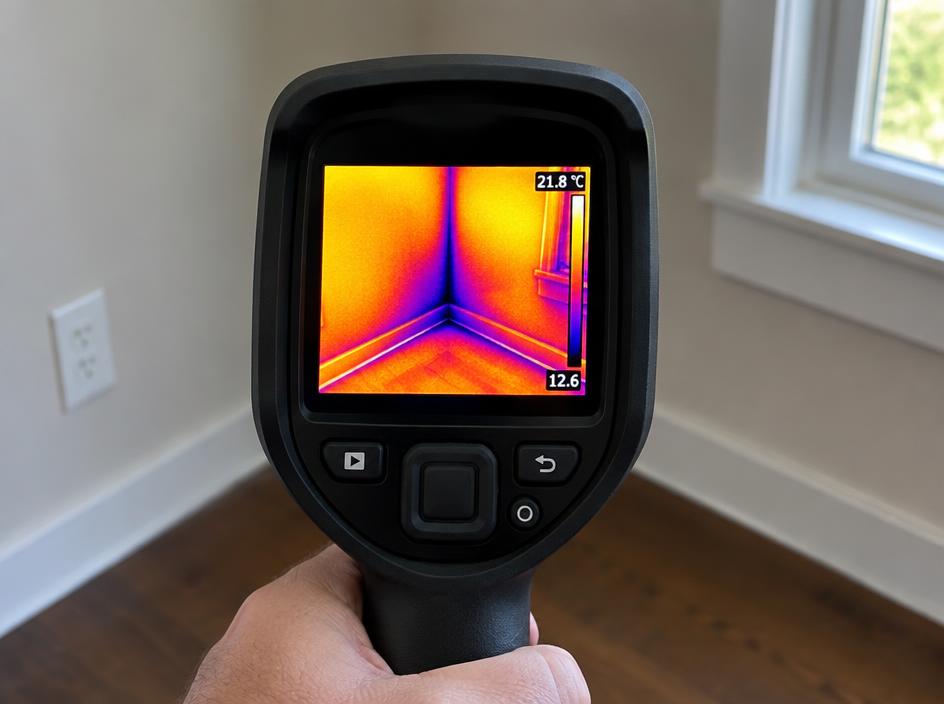
Moisture content in framing, relative humidity, standing water, vapor barriers, vents and signs of past leaks. Thermal imaging helps spot wet insulation.
Because crawlspace air can move up into living areas, air sampling inside the home adds useful context.
Want measured information about your home?
AirCare 365 provides moisture and mold and indoor air quality testing across the Bay Area.
Sources
Serving San Francisco, San Mateo, Menlo Park, San Jose, Sunnyvale, Palo Alto, Oakland, Fremont and the rest of the Bay Area.