Quick answer
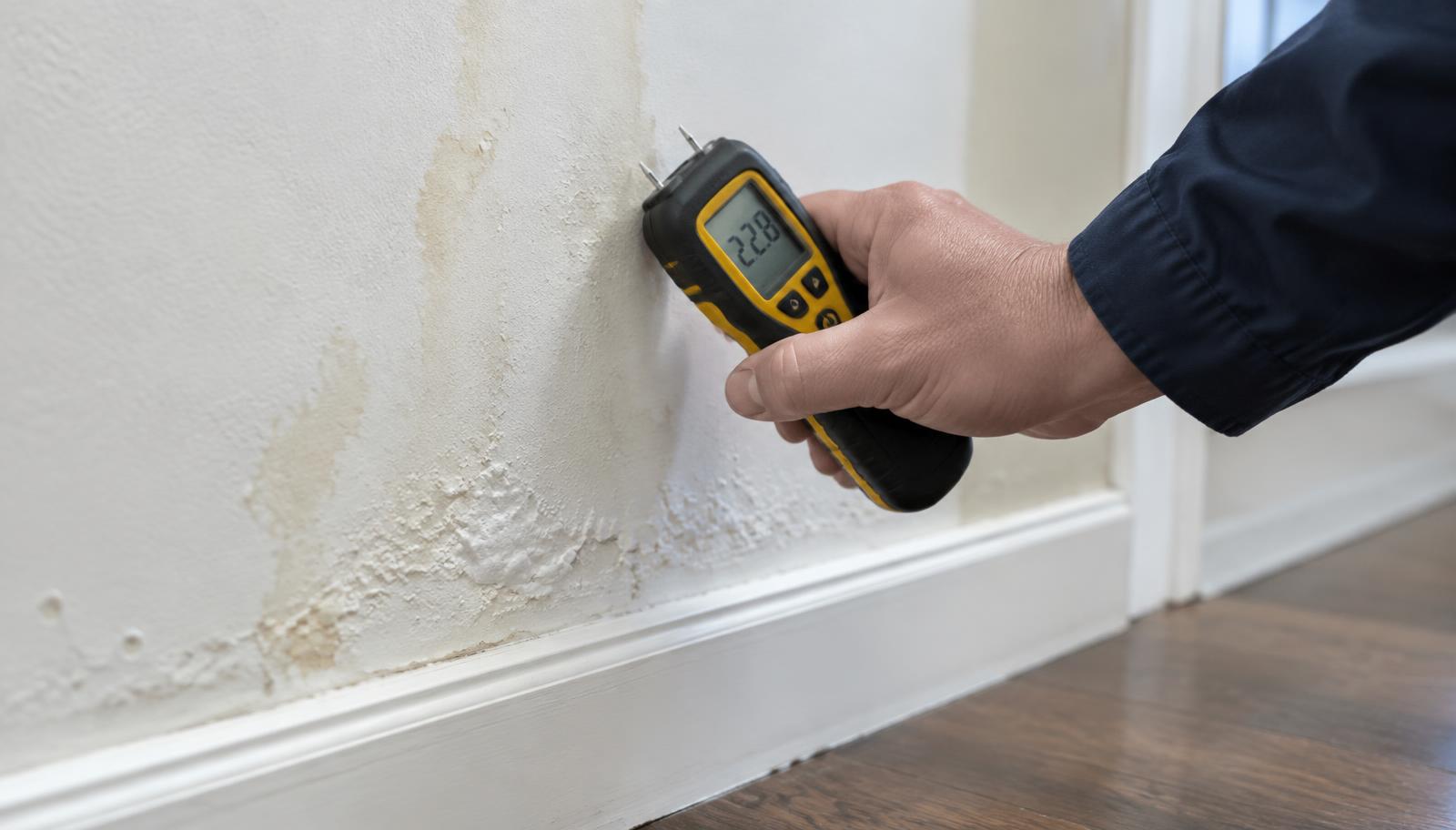
Hidden mold in walls usually shows up indirectly: a musty smell, stains, bubbling or peeling paint, warped baseboards, or a wall that feels cool and damp. It starts where water gets in: plumbing, windows, roofs and slabs. The right way to test is moisture first (meter and thermal imaging), then air or wall-cavity samples compared with outdoors if needed. DIY settle-plate kits rarely answer the question.
Key takeaways
- Mold in walls follows water: plumbing walls, exterior walls under windows, and walls near roofs or slabs.
- Smell, stains, bubbling paint and warped trim are the most common signs.
- Moisture meters and thermal imaging find damp areas without opening walls.
- Wall-cavity air samples can check inside a wall through a tiny hole.
- DIY settle plates almost always grow something and rarely help.
- Find and fix the water source before any cleanup.
This guide is general information, not medical advice. If you have health concerns, please consult a medical professional.
Why mold hides inside walls
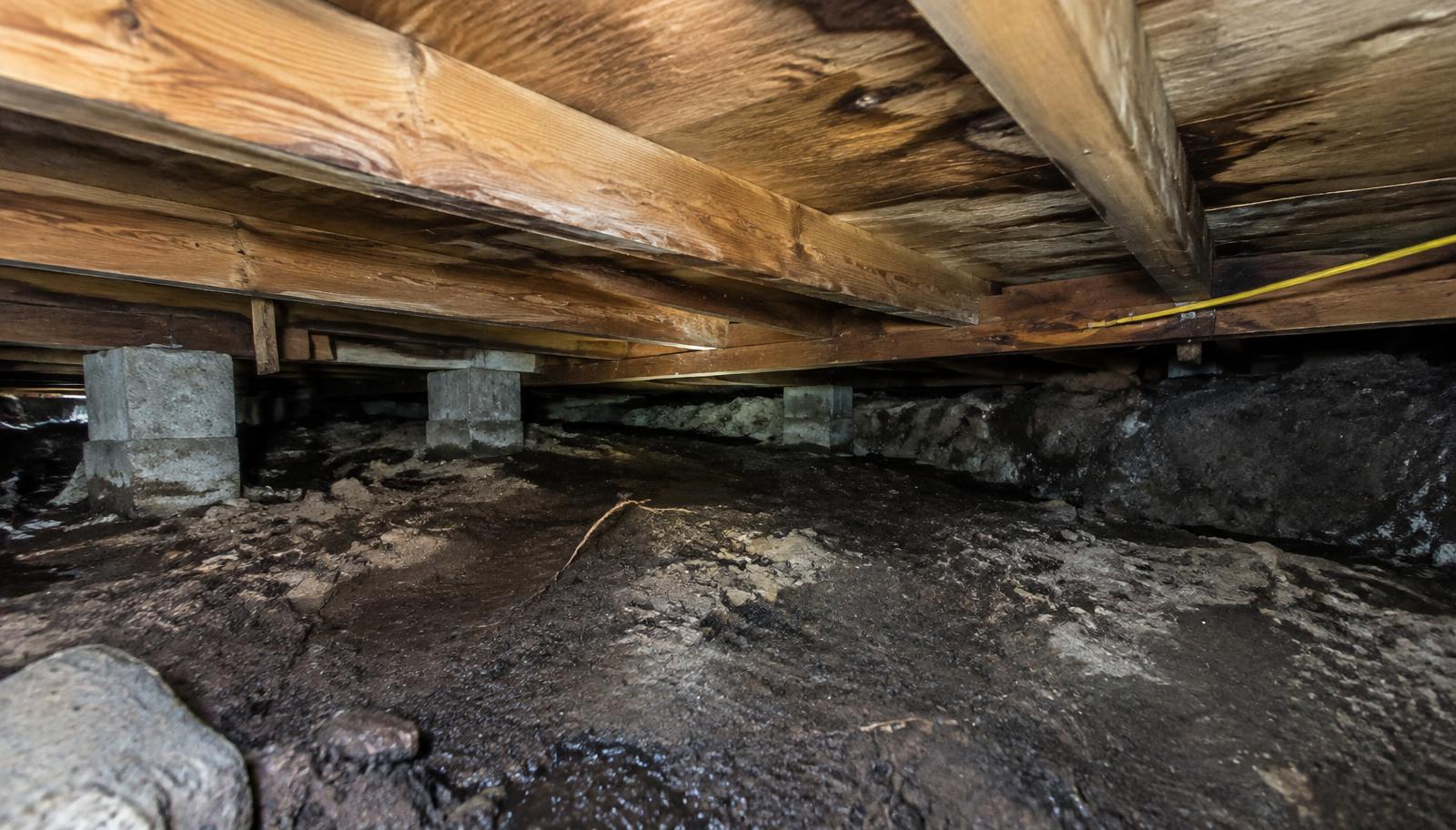
Drywall paper, wood framing and insulation dust are all food for mold. Wall cavities are dark and still, and once water gets in, it can take a long time to dry. A slow drip from a supply line or a small gap around a window can keep a cavity damp for months while the painted surface looks almost normal.
That's why hidden mold is usually found by following moisture, not by looking for mold itself.
The warning signs
These are the signs homeowners and inspectors most often notice first:
- A musty, earthy smell that's stronger near one wall or in a closet.
- Yellow, brown or gray staining, or faint dark speckling.
- Bubbling, blistering or peeling paint or wallpaper.
- Swollen, warped or separated baseboards and trim.
- A wall that feels cool or damp to the touch.
- Recurring condensation on windows above the wall.
- Soft spots when you press on drywall.
- A history of leaks, floods or plumbing repairs on that wall.
Common moisture hotspots in Bay Area homes
- 1Attic & roof deck
- 2Bathroom ceiling
- 3Windows & sills
- 4Under sinks
- 5Behind appliances
- 6Crawlspace / garage
Where mold in walls usually starts
Behind showers, tubs and toilets, where plumbing and seals fail. Under kitchen and bathroom sinks and behind dishwashers and refrigerators with water lines. Below windows and around doors on exterior walls. Near roof valleys, chimneys and vents. At the bottom of walls on slab foundations after flooding or high groundwater. And along exterior walls in cold, humid climates where condensation forms inside the wall.
Step one: find the moisture
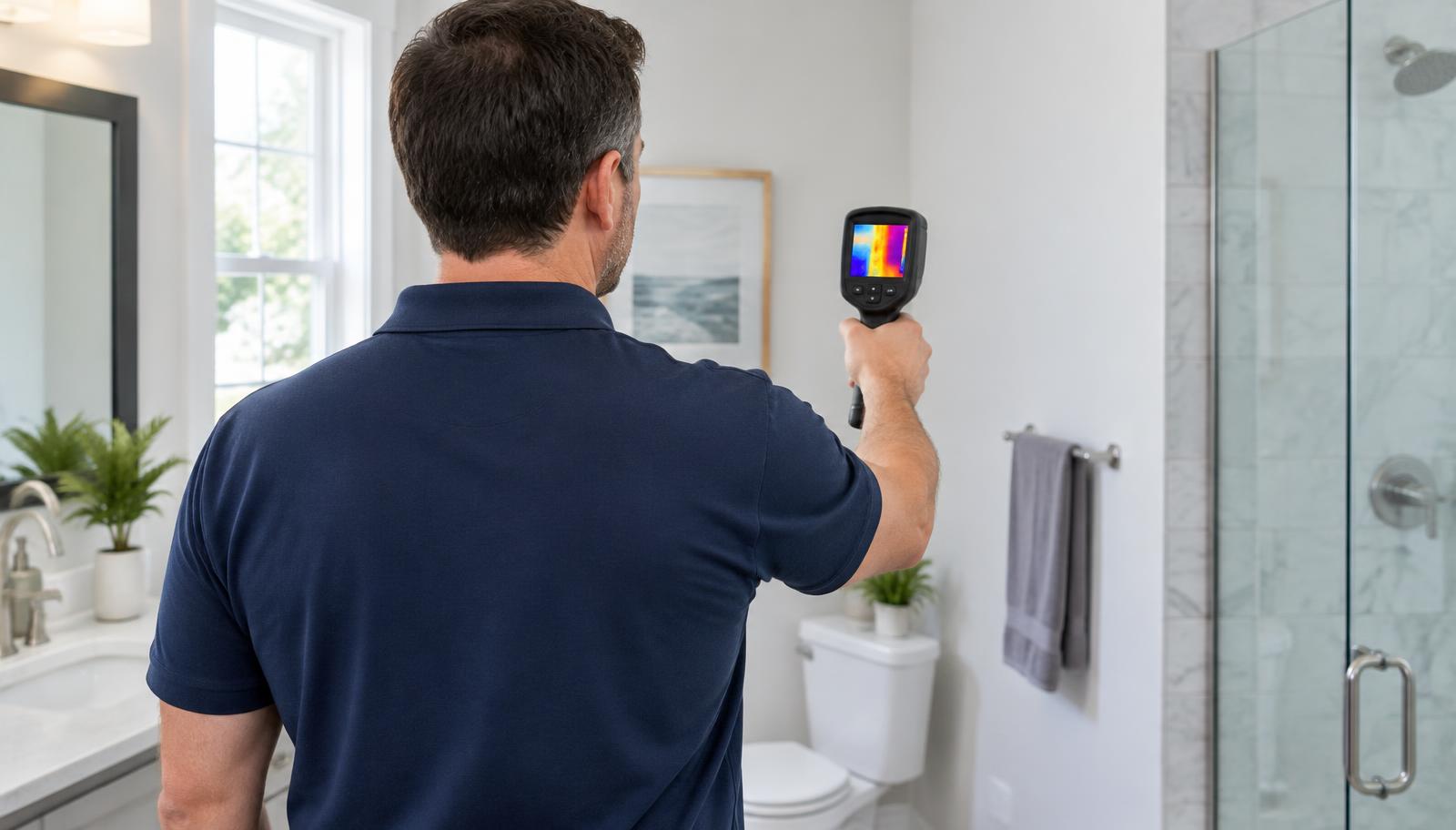
Before sampling anything, find out whether the wall is wet. A pin or pinless moisture meter gives readings through the surface. Thermal imaging shows cooler patches where water is evaporating, which are then confirmed with a meter. Room humidity logging shows whether conditions are feeding the problem.
If a wall is dry and has never had water, hidden mold is much less likely. If it's wet, you've found your starting point, whether or not you ever take a sample.
How to test for mold the right way
Testing is useful when you need to know whether a musty smell or damp area is affecting indoor air, or to document conditions for a purchase, landlord or insurer. Done properly, it looks like this:
- Indoor air samples: a calibrated pump pulls a measured volume of air through a spore trap in the rooms of concern.
- Outdoor control: a sample taken outside the same day to compare against.
- Wall-cavity samples: a small port through a tiny hole samples air inside the wall without opening it.
- Surface samples: tape or swab samples of visible staining to identify what's growing.
- Independent laboratory analysis, with results interpreted alongside the moisture findings.
Mold in a wall is a water problem wearing a disguise. Find the water and you've found the mold.
AirCare 365 · Bay Area
Want real numbers for your home?
Inspection, lab-analyzed air samples and a digital report. $520 online, $0 today.
DIY kits vs professional testing
Settle-plate kits sit open and grow whatever lands on them. Because spores are always present in air, they nearly always grow something, and without a measured air volume or an outdoor comparison, that growth can't tell you whether your home has a problem.
A $30-$50 moisture meter is a far more useful DIY tool. It won't identify mold, but it tells you whether a wall is wet, which is the question that matters most.
Professional testing earns its cost when there's a specific question: an unexplained smell, water damage, a home purchase, or clearance after removal.
Five steps from question to answer
- 1
Inspect
Room-by-room visual check
- 2
Measure
Moisture, humidity, thermal
- 3
Sample
Indoor + outdoor air
- 4
Lab
Independent analysis
- 5
Report
Clear next steps
Reading the results
Lab reports list spore types and counts for each sample. The comparison is what matters: indoor counts similar to or lower than outdoors, with a similar mix, are typical. Higher indoor counts, or types that are much more common inside than out, suggest an indoor source. Wall-cavity samples with elevated counts point to growth inside that wall.
No result can prove a home is mold free, since spores are always present. Results describe conditions on the day, and the moisture findings explain why.
Compare every room with the outdoor sample
Illustration only. Similar or lower than outdoors is generally expected; noticeably higher, or a different mix of spore types, points to an indoor source worth investigating.
What to do next
Fix the water source first. Then follow EPA guidance: small areas can often be cleaned by a homeowner, while larger areas or contaminated materials inside walls usually need a professional. After significant removal, an independent clearance test confirms the job.
AirCare 365 provides independent moisture mapping, thermal imaging, air and wall-cavity sampling and a clear report. We don't sell removal. AirCare 365 books visits across the 9 Bay Area counties today and is opening in Los Angeles, Orange County, San Diego and Sacramento next, with the same prices statewide. An AirCheck is $595, or $520 online, with nothing charged at booking.
Frequently asked questions
How do I know if there's mold inside my walls?+
Common signs include a musty smell, stains, bubbling paint, warped baseboards and walls that feel damp. Moisture meters and thermal imaging can confirm dampness without opening the wall.
How do you test for mold in walls without cutting drywall?+
Wall-cavity air sampling uses a tiny hole to sample air inside the wall, and moisture meters and thermal imaging find damp areas from the surface.
What is the best way to test for mold in a house?+
Start with moisture: meters, thermal imaging and humidity readings. If a question remains, take indoor air samples with an outdoor control and have them analyzed by an independent lab.
Are home mold test kits reliable?+
Settle-plate kits nearly always grow something because spores are in all air, so they rarely show whether a home has a problem.
Can mold in walls make a house smell?+
Yes. A persistent musty smell with no visible source is one of the most common signs of hidden moisture and growth.
Want measured information about your home?
AirCare 365 provides moisture and mold and indoor air quality testing across the Bay Area.
Sources
Serving San Francisco, San Mateo, Menlo Park, San Jose, Sunnyvale, Palo Alto, Oakland, Fremont and the rest of the Bay Area.