
This guide is general information, not medical advice. If you have health concerns, please consult a medical professional.
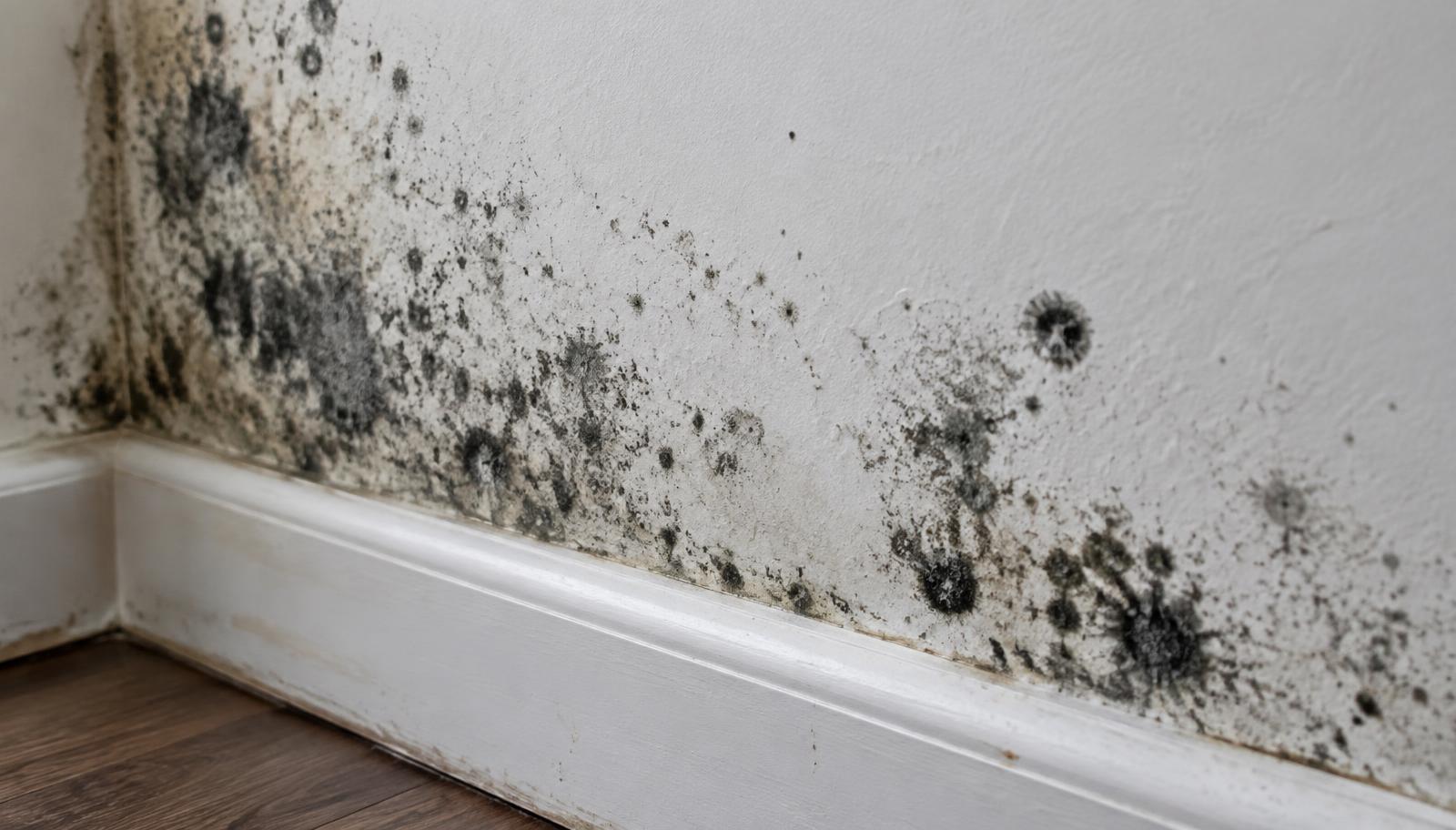
What does black mold look like?
"Black mold" usually describes dark green, gray or black patches that can look slimy when wet or sooty and powdery when dry. Growth often starts as small speckles and spreads outward in irregular, fuzzy-edged spots.
Color alone can't tell you which type of mold you're looking at. Many common molds are dark, and the CDC notes that the specific type doesn't change the basic advice: remove the growth and fix the moisture problem.
Where black mold tends to grow
Mold needs moisture. In Bay Area homes the usual spots are shower grout and caulk, window sills with condensation, under sinks, behind toilets, around water heaters, in crawlspaces and on walls behind furniture in cool, foggy rooms.
Hidden growth is common behind drywall, under flooring and inside wall cavities after a slow leak — places you can't see until staining or odor appears.
Common moisture hotspots in Bay Area homes
- 1Attic & roof deck
- 2Bathroom ceiling
- 3Windows & sills
- 4Under sinks
- 5Behind appliances
- 6Crawlspace / garage
Black mold vs mildew vs dirt
Mildew is a surface growth that's usually gray or white and wipes off easily from tile or glass. Dirt and soot don't spread or come back after cleaning.
Spots that keep returning, smell musty, or sit on porous materials like drywall, wood or carpet usually point to an ongoing moisture source worth investigating.
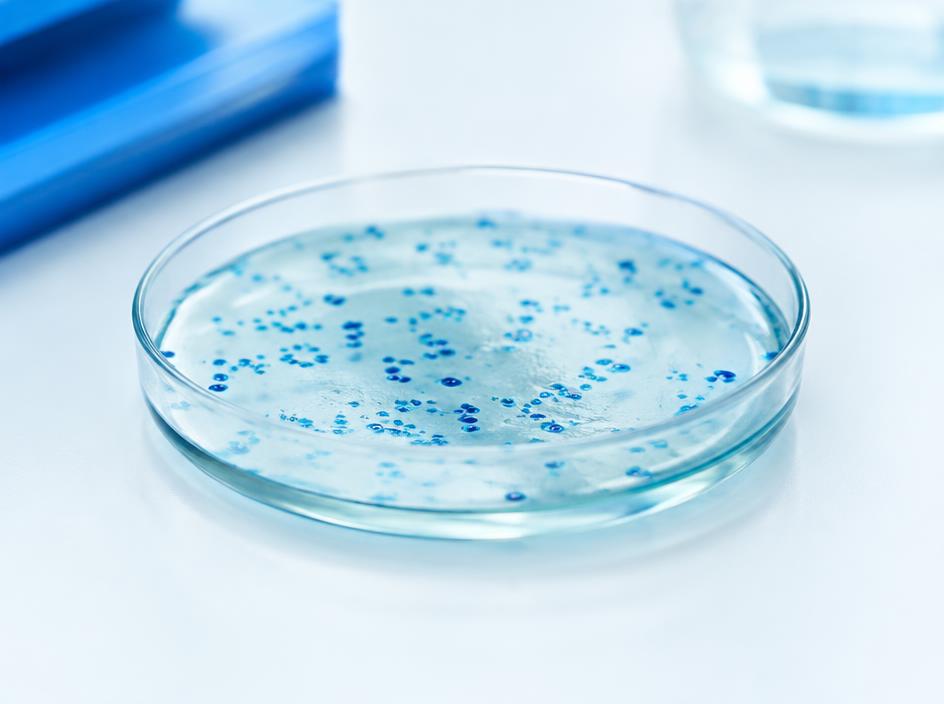
"Black mold" describes a color, not a diagnosis.
AirCare 365 · Bay Area
Want real numbers for your home?
Inspection, lab-analyzed air samples and a digital report. $520 online, $0 today.
When to have it tested
Testing is most useful when you smell mustiness but can't find the source, after water damage, before buying a home, or after a cleanup to document conditions.
A professional inspection combines a visual check, moisture and thermal readings and laboratory air sampling so you see measured information instead of guessing from color.
Frequently asked questions
Is all black-colored mold 'toxic black mold'?+
No. Many molds are dark in color. Only laboratory analysis can identify mold types, and agencies recommend removing any indoor mold growth and fixing the moisture source regardless of type.
Can I clean small areas myself?+
The EPA says homeowners can usually handle small areas (under about 10 square feet) themselves, while larger areas are better handled by a professional.
Want measured information about your home?
AirCare 365 provides mold inspection and mold and indoor air quality testing across the Bay Area.
Sources
Serving San Francisco, San Mateo, Menlo Park, San Jose, Sunnyvale, Palo Alto, Oakland, Fremont and the rest of the Bay Area.