Quick answer
For an older adult receiving care at home, make the building check part of a regular household walk-through: note leaks, musty odors, damp bathrooms, window condensation, closed rooms and converted living spaces. Photograph concerns with the resident's permission, log the date and arrange prompt repairs. An independent inspection can document persistent or hidden moisture for family and contractors. It cannot diagnose symptoms or replace a clinician or care team's decisions.
Key takeaways
- Agree who checks, who receives the report and who can authorize repairs before a leak happens.
- Inspect the rooms used daily plus closed rooms, bathrooms, plumbing, laundry, window sills and any ADU.
- After water intrusion, record what got wet and arrange prompt drying and repair; don't wait for an air sample.
- Use an inspection when the source is unclear or the problem recurs; sample only for a defined question.
- A doctor evaluates health concerns; AirCare 365 documents building conditions.
This guide is general information, not medical advice. If you have health concerns, please consult a medical professional.
What should a caregiver look for at home?
Start with the rooms the resident uses most: bedroom, sitting room, bathroom and kitchen. Then check infrequently opened rooms and storage with permission. A quiet leak under a sink or behind a toilet may be missed if no one regularly opens that cabinet. Ask the resident and caregivers what has changed since the last visit rather than assuming an odor proves a particular cause.
Take a quick walk after a significant storm and whenever a leak occurs. A small written record is more useful than memory, especially when adult children, aides, landlords and contractors coordinate from different places.
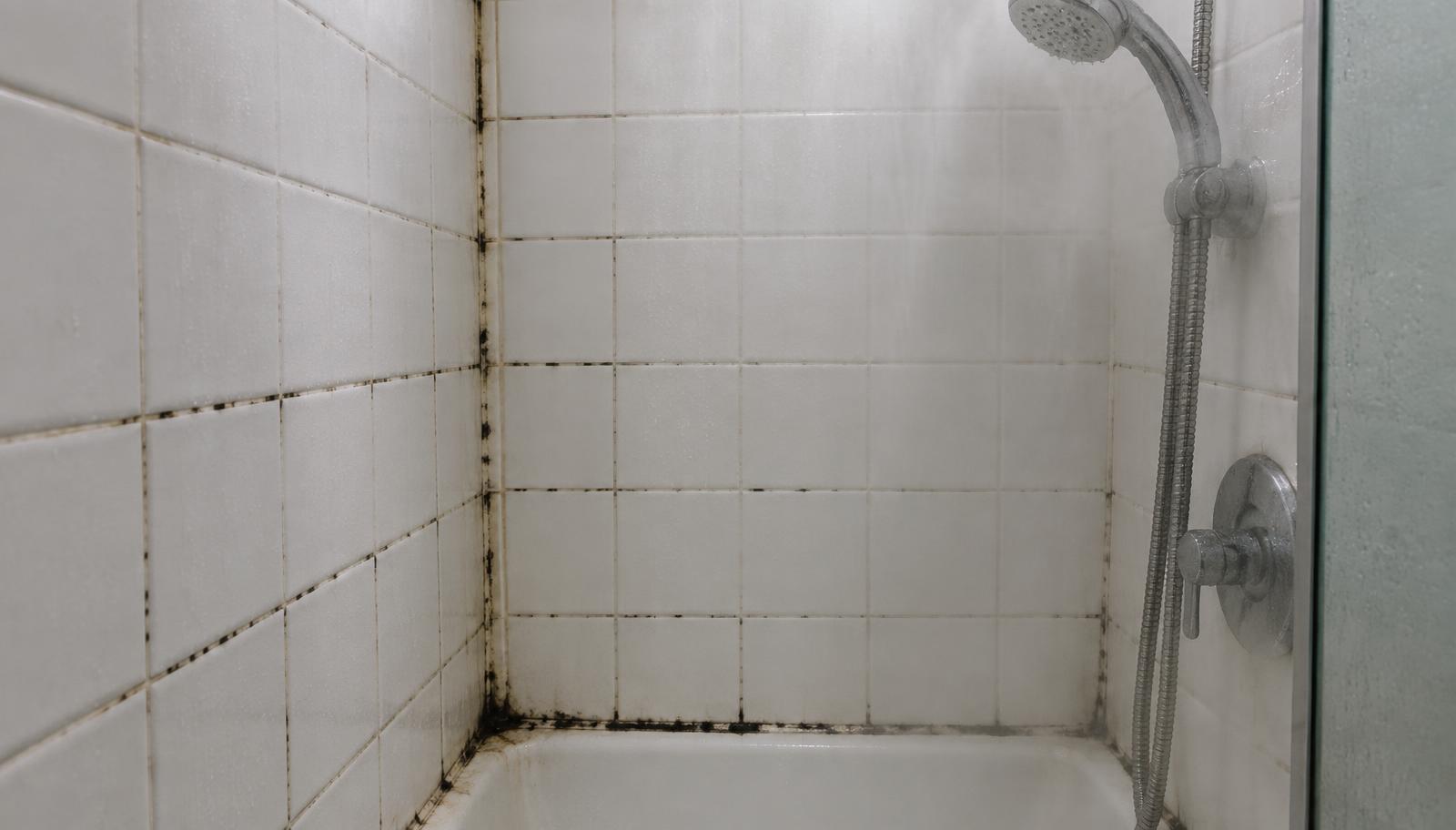
- Under sinks and around toilets: drip marks, damp cabinet floors, soft flooring or water stains.
- Shower and laundry: ventilation, failed caulk, wet towels and condensate or hose leaks.
- Windows and exterior walls: persistent condensation, peeling paint, damp furniture backs.
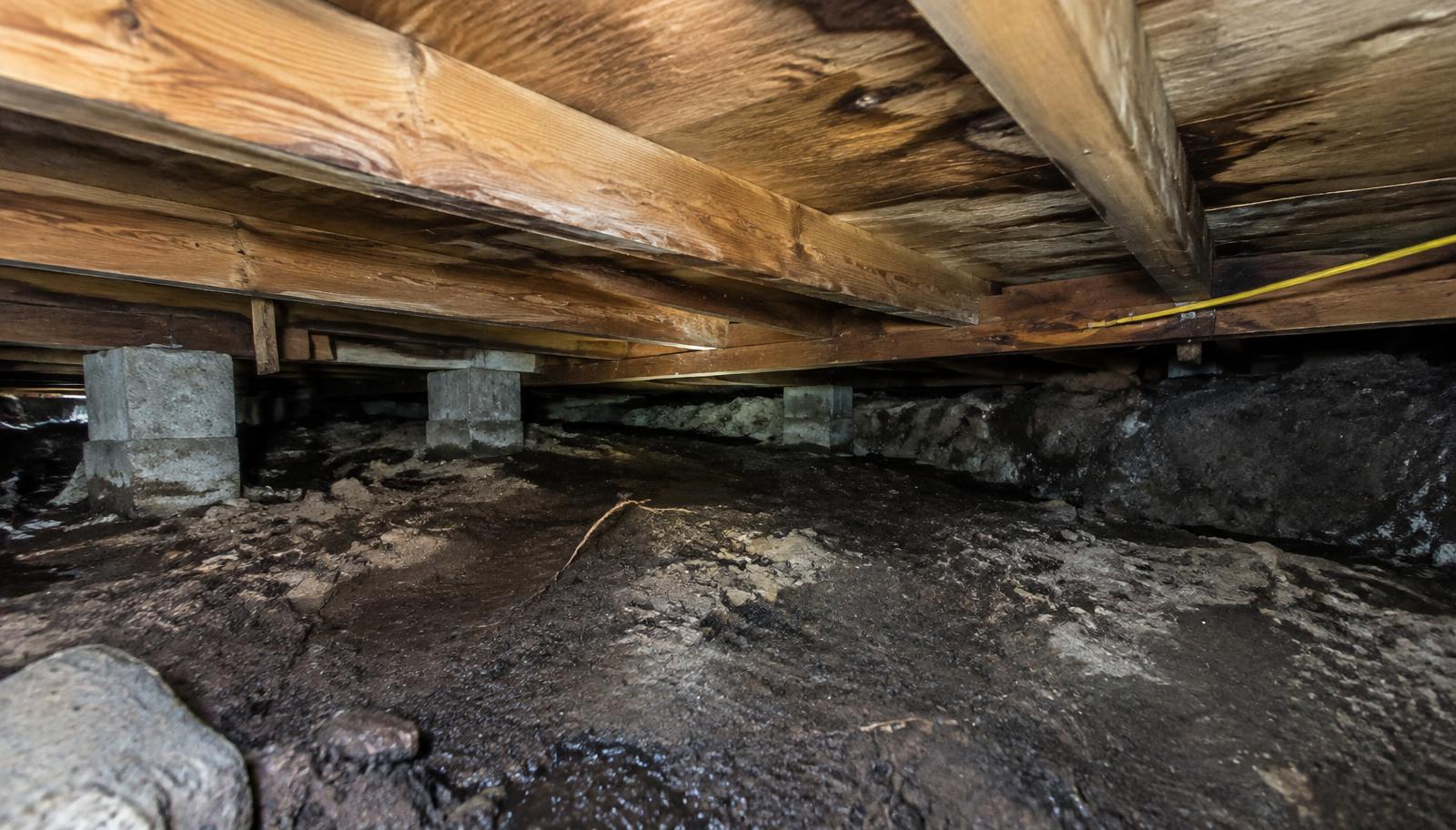
- Closed bedrooms, closets, basement or converted garage: musty odor and visible changes after rain.
- Ceilings and attic access: stains that return after storms or plumbing use.
Why do Bay Area homes need a location-specific check?
A Marin or Oakland hillside home may take on rain near its crawlspace. A fog-facing San Francisco bedroom may have condensation on a cooler exterior wall. An older San Mateo bungalow may have aging supply lines. An in-law unit or converted garage can have moisture at a concrete slab or in a small bathroom with limited ventilation. None of these situations proves mold is present; they identify places worth checking.
The EPA recommends indoor relative humidity below 60%, ideally 30–50%. A simple hygrometer can reveal persistent dampness over several days, but cannot tell you whether mold is present. Record the reading alongside the weather and room; compare with an accessible dry room in the same home.
Common moisture hotspots in Bay Area homes
- 1Attic & roof deck
- 2Bathroom ceiling
- 3Windows & sills
- 4Under sinks
- 5Behind appliances
- 6Crawlspace / garage
How should the family document a leak?
Create a log that can travel between a caregiver and the family: date, address and room; what changed; photos taken with the resident's consent; suspected water source; who was notified; drying actions; repair date; and whether dampness returned. Keep reports and contractor receipts together. Avoid identifying health details in a shared building log.
When a leak happens, stop the source and arrange drying right away. The EPA advises drying wet materials within 24–48 hours where possible. If water is contaminated or damage is extensive, use an appropriate qualified professional. An air test should not delay repair.
- Date/time and exact location of the water
- Photo and notes before and after drying, with the resident's permission
- Who is responsible for repair and how to reach them
- What materials stayed wet and when they were checked again
- A follow-up note after the next rainfall or shower
Five steps from question to answer
- 1
Inspect
Room-by-room visual check
- 2
Measure
Moisture, humidity, thermal
- 3
Sample
Indoor + outdoor air
- 4
Lab
Independent analysis
- 5
Report
Clear next steps
Who coordinates an inspection from a distance?
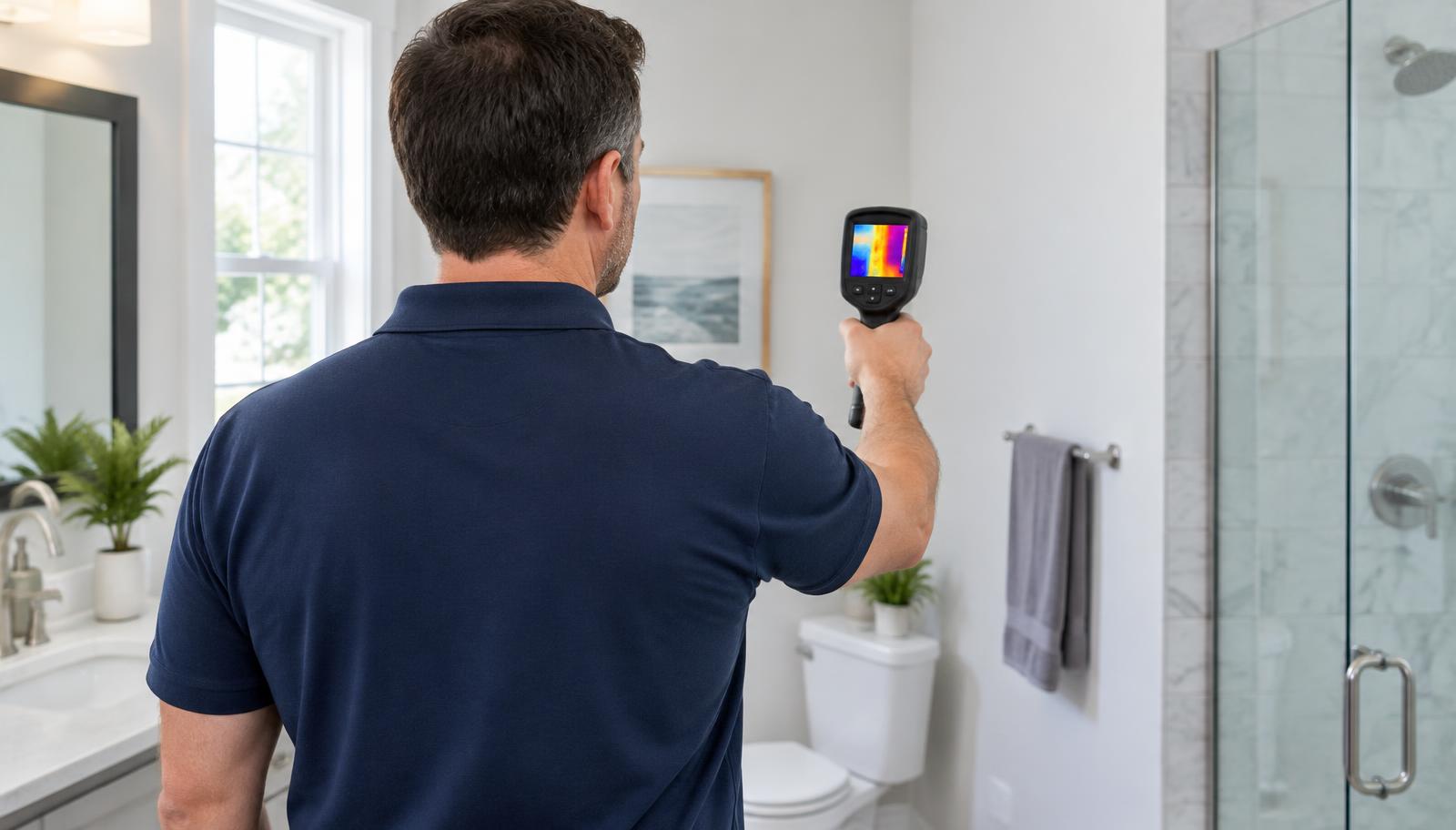
With the resident's permission, one family contact can arrange an appointment, identify the room of concern and arrange access. Decide in advance who will receive the findings and who may share them with a contractor or property owner. If the resident rents, coordinate access and repairs with the landlord. An inspection describes accessible building conditions; it does not make care or medical decisions.
Ask the inspector to record moisture readings at the problem area, identify likely water paths and say which inaccessible areas were not evaluated. If a report recommends repairs, ask the contractor to address the source and document completed work. Repeat measurements can be useful after work or a later storm; there is no automatic requirement to sample every season.
A dated leak log makes it easier for caregivers, family and contractors to follow the same facts.
AirCare 365 · Bay Area
Want real numbers for your home?
Inspection, lab-analyzed air samples and a digital report. $520 online, $0 today.
When is sampling helpful — and when is it not?
The EPA advises that sampling is often unnecessary when mold is already visible; addressing water entry and growth is the priority. For a persistent odor with no clear source, a moisture-focused inspection may identify where to investigate. If a remaining question calls for sampling, ask how the sample and any outdoor control will change the next decision.
A single visit is a snapshot. Air samples cannot rule out hidden growth, certify a residence as free of mold or attribute a person's symptoms to a building. For breathing or other health concerns, talk to a clinician. The report may be useful background, but the clinician, not an inspector, interprets health questions.

Home visit or commercial facility quote?
For an older adult living at home or in a private ADU, AirCheck is a residential visit: $595, or $520 booked online, with $0 due at booking and payment at the visit. Describe the location, access needs and concern while booking. A residential care home, assisted-living building or small clinic is a different scope: request a commercial quote based on the building and rooms involved.
AirCare 365 provides building moisture inspection and appropriate sampling for Bay Area homes and smaller facilities. It does not provide medical, hospital clinical-area, infection-control or regulatory-compliance services. For hospitals or patient-care settings, use the facility's infection-prevention team and qualified industrial hygienist.

Frequently asked questions
Can I arrange a mold inspection for a parent who lives far away?+
Yes, with the resident's permission and an agreed access plan. Name a family contact for the report and a contact who can approve repairs.
Should home-care staff order mold tests every few months?+
Not automatically. Regular visual and moisture checks, prompt leak response, and targeted inspection after a concern are a more useful starting point. Discuss sampling only when it answers a specific question.
What should we do after finding a leak?+
Stop water entry, document the affected area and arrange prompt drying and repairs. The EPA recommends drying wet materials within 24–48 hours where possible.
Do you inspect care facilities and hospitals?+
We quote smaller residential care facilities and clinics separately. Hospitals and clinical patient-care settings should use their infection-prevention team and qualified industrial hygienist.
Want measured information about your home?
AirCare 365 provides moisture and mold and indoor air quality testing across the Bay Area.
Sources
Serving San Francisco, San Mateo, Menlo Park, San Jose, Sunnyvale, Palo Alto, Oakland, Fremont and the rest of the Bay Area.
For the basics, read our guide to mold spores and moisture. For local service details, see Bay Area mold testing.
Read next
- Senior Home Living: Indoor Air and Mold Checks for Aging Parents in the Bay Area
- Mold After a Leak or Water Damage: What to Do in the First 48 Hours
- Attic and Crawlspace Mold in Bay Area Homes
- Mold Inspection vs Mold Testing: What's the Difference?
Looking for a visit? Explore home air checks for aging parents.