
This guide is general information, not medical advice. If you have health concerns, please consult a medical professional.
Why people ask about mold and allergies
Mold is found naturally both outdoors and indoors. Public health agencies such as the CDC note that some people are sensitive to mold and may experience symptoms like a stuffy nose, wheezing, or red or itchy eyes or skin. Sensitivity varies widely from person to person.
Because symptoms have many possible causes, only a medical professional can tell you whether mold is contributing to how you feel.
What an inspection can and can't tell you
An inspection documents conditions in the home: visible staining, moisture readings, humidity and, where appropriate, laboratory analysis of air or surface samples.
It cannot diagnose health conditions and cannot prove a home contains no mold. What it can do is give you and your doctor measured information about the environment.
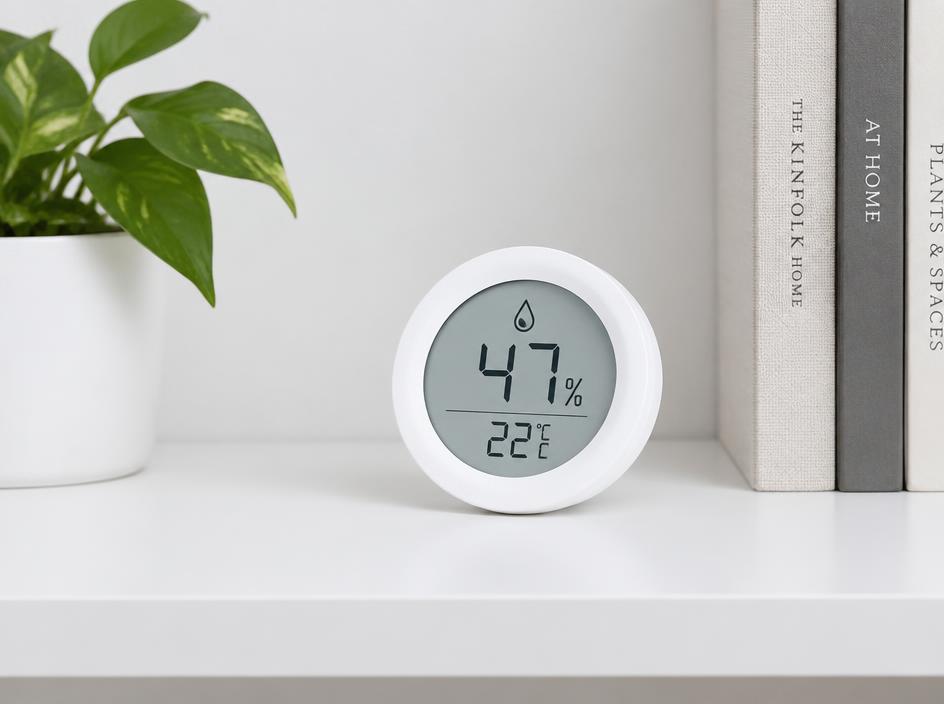
An inspection can't diagnose anything, but it gives you and your doctor measured facts about the home.
AirCare 365 · Bay Area
Want real numbers for your home?
Inspection, lab-analyzed air samples and a digital report. $520 online, $0 today.
Practical steps at home
Agencies consistently point to moisture control as the key: fix leaks promptly, use bathroom and kitchen exhaust fans, and keep indoor humidity in a moderate range. The EPA suggests keeping indoor relative humidity below 60%, ideally between 30% and 50%.
Keeping a record of conditions over time, especially through the Bay Area rainy season, helps you notice changes early.
Aim for 30–50% relative humidity
The U.S. EPA recommends keeping indoor humidity below 60%, ideally 30–50%.
Want measured information about your home?
AirCare 365 provides mold air sampling and mold and indoor air quality testing across the Bay Area.
Sources
Serving San Francisco, San Mateo, Menlo Park, San Jose, Sunnyvale, Palo Alto, Oakland, Fremont and the rest of the Bay Area.
Read next
- Before Baby Arrives: A Bay Area Nursery Mold & Moisture Checklist
- Mold, Kids and Allergies: When to Check a Bay Area Home Again
- Mold Allergy Symptoms at Home: What to Notice, What It Might Mean, and When to Test
- Mold Inspection vs Mold Testing: What's the Difference?
Looking for a visit? Explore home air testing for Bay Area families.