
Quick answer
Before setting up a nursery, look for water damage and persistent dampness in the room and nearby bathroom, not a promise that the room contains no spores. Check window condensation, exterior walls, closets and any past leak. Fix water intrusion and dry wet materials promptly. A professional visit can document moisture and, when a specific question calls for it, sample air; it cannot determine whether a child will develop symptoms or certify a room as mold-free. Ask a pediatrician about health concerns.
Key takeaways
- Check the nursery after rain or a foggy morning, not only when it looks freshly painted.
- Fix leaks and dry wet materials promptly; the EPA recommends drying within 24–48 hours.
- A humidity meter shows trends, not whether mold is present. The EPA recommends below 60% relative humidity, ideally 30–50%.
- If you see mold, first locate and address the moisture source; routine air sampling is often unnecessary.
- An inspection records the conditions seen that day; health decisions belong with a pediatrician.
This guide is general information, not medical advice. If you have health concerns, please consult a medical professional.
What should you check in a nursery before baby arrives?
Walk the room after weather that actually tests the building. In San Francisco's Sunset or Richmond districts, a foggy morning may reveal condensation; in Oakland's hills, look again after winter rain; in San Jose, inspect around supply lines and roof penetrations after storms. The address alone is not evidence of a problem: the goal is to notice a water pattern, not to assume every old home needs a lab test.
Open curtains and closets. Look at the window sill, the wall below it, baseboards, ceiling, flooring edges and the shared wall with any bathroom. Check whether the room smells musty when first opened. Photograph stains before painting or moving furniture in front of them.
- Window: wet glass, damp sill, peeling paint, staining at the frame or wall below.
- Exterior wall: damp patches, discolored baseboard, bubbled paint or persistent condensation behind furniture.
- Closet: musty odor, damp contents or storage pressed against an exterior wall.
- Ceiling and floor: old water marks, warped edges or a recurring stain after rain.
- Adjacent rooms: bath fan that does not vent outdoors, slow sink leaks, laundry or attic above the room.
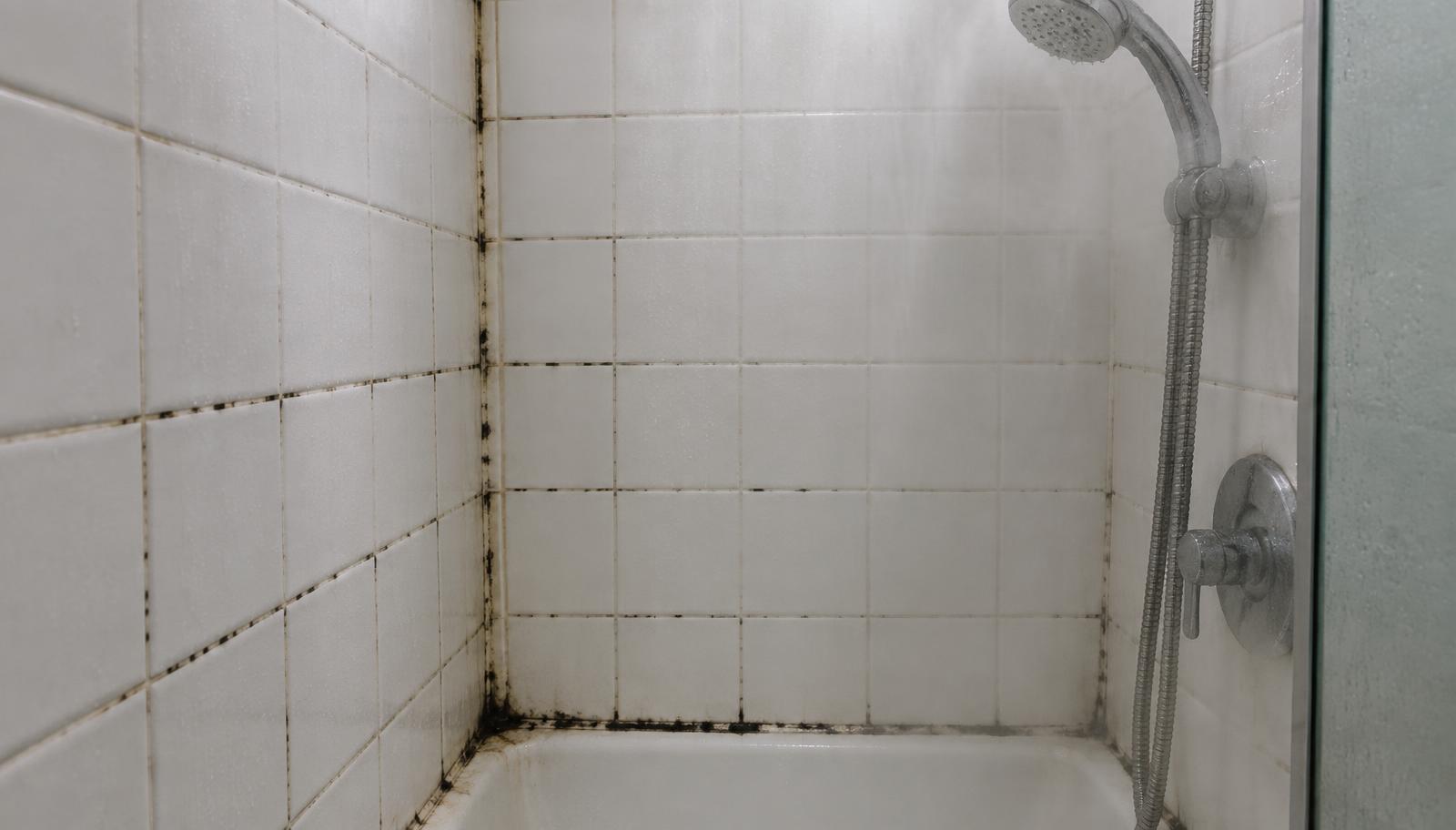
Common moisture hotspots in Bay Area homes
- 1Attic & roof deck
- 2Bathroom ceiling
- 3Windows & sills
- 4Under sinks
- 5Behind appliances
- 6Crawlspace / garage
If you find a stain or smell, what comes first?
Start with the water source. A stain can reflect an old repaired leak or a still-active one; appearance alone cannot tell which. Write down when you notice it and whether it changes after showers or rain. Ask the owner or a qualified repair professional to investigate and fix the leak. Dry water-damaged materials quickly, ideally in 24–48 hours, in line with EPA guidance.
For visible mold, EPA guidance says sampling is often unnecessary: the work is to correct moisture and address the growth appropriately. Do not cover a wet surface with paint or put the crib against a damp wall. If the affected area is large, water came from sewage, or you are unsure about cleanup, consult a qualified professional rather than disturbing materials yourself.
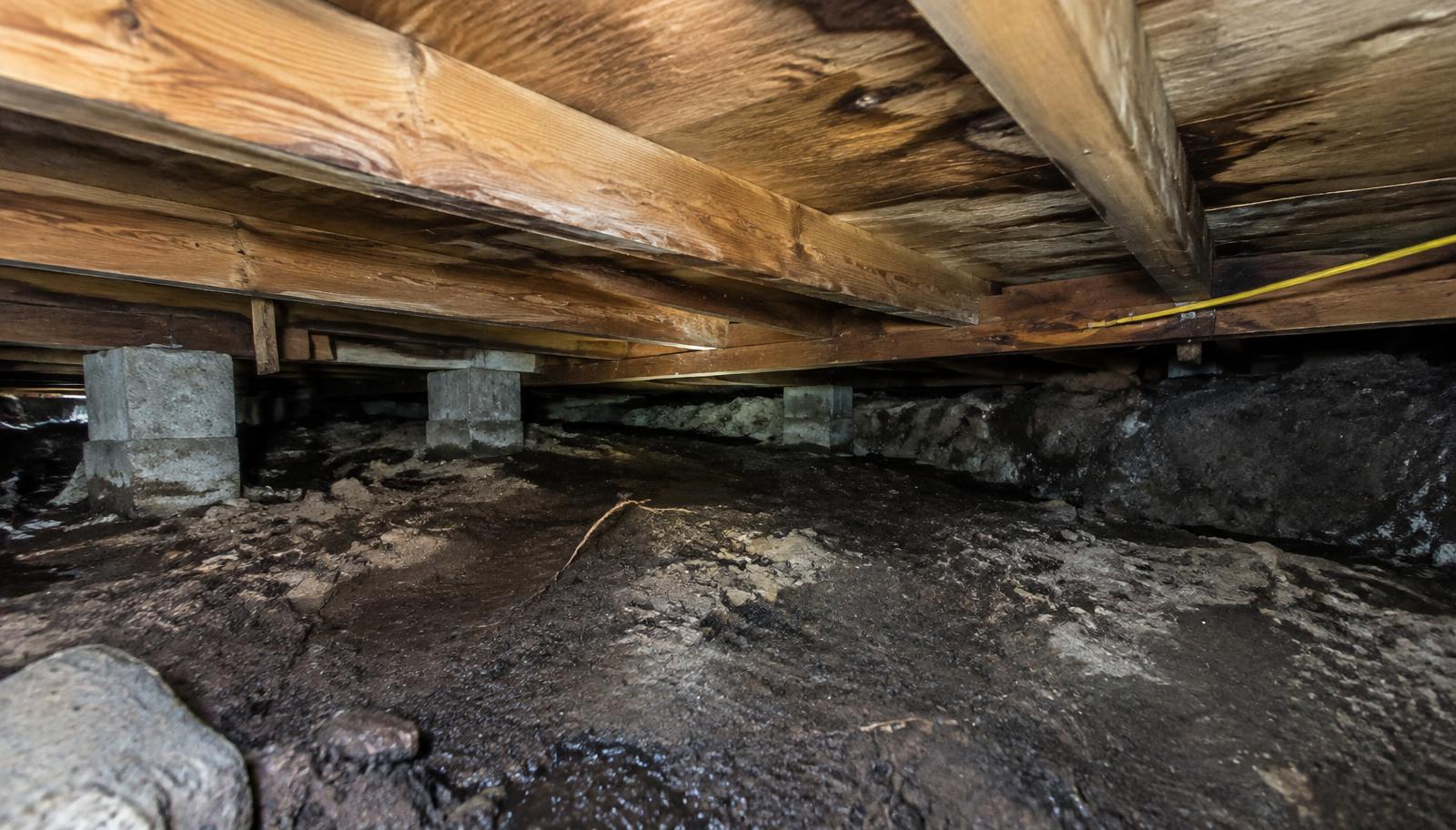
Why Bay Area rooms behave differently by season
Coastal neighborhoods may have cool, fog-exposed exterior walls even during summer. Homes on slopes can have wet crawlspaces after winter storms. Converted bedrooms in garages or ground-floor ADUs may sit near a concrete slab. A nursery beside a bathroom might instead be affected by a slow plumbing leak, whatever the neighborhood.
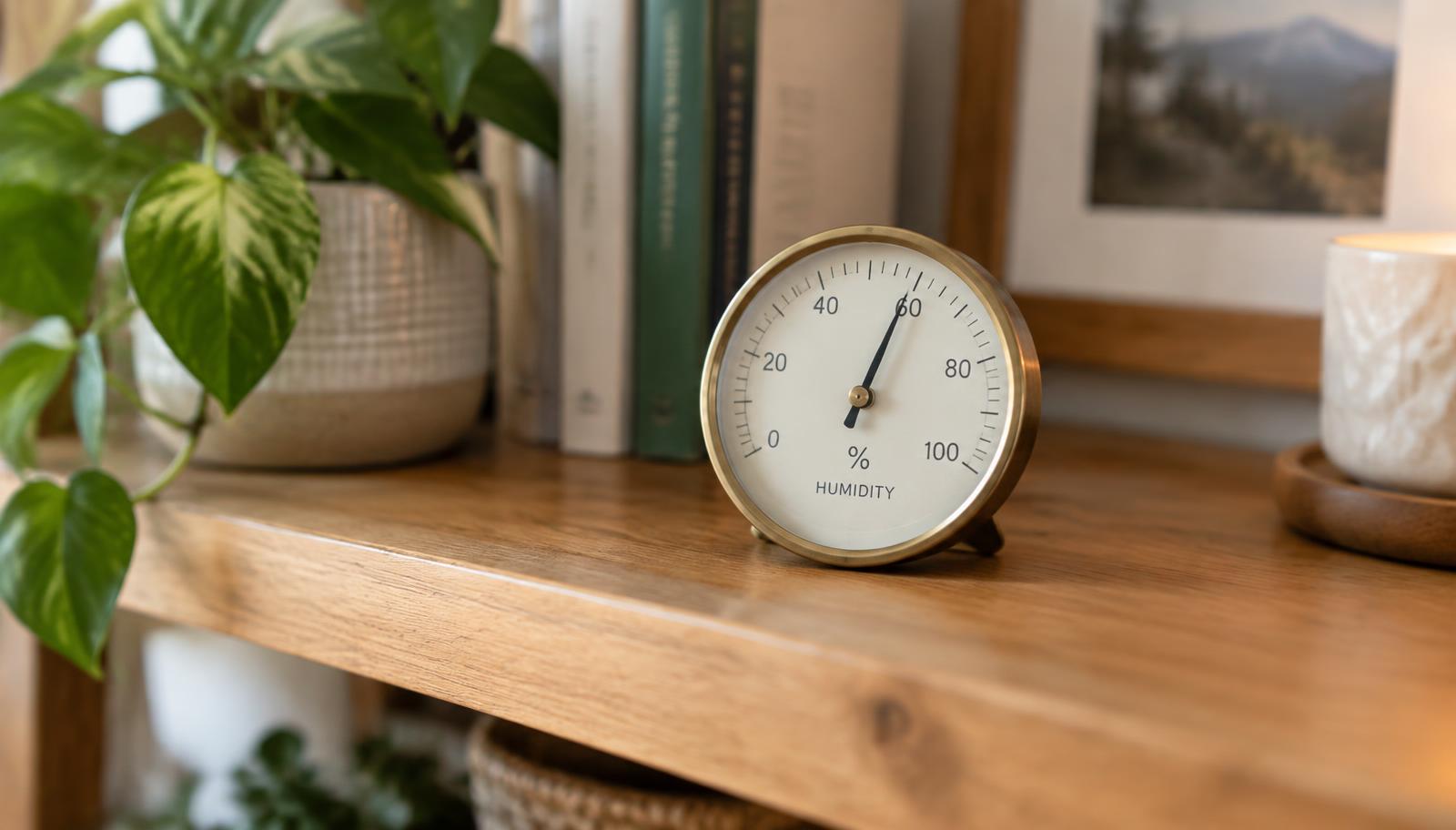
A small hygrometer is useful for observing room humidity over time. Record readings in the morning and after bathing for a week. The EPA recommends indoor relative humidity below 60%, ideally 30–50%. An elevated reading is a reason to find its cause, not a diagnosis of mold. Running an exhaust fan that vents outside, repairing leaks and keeping storage away from cold exterior walls are practical first steps.
Aim for 30–50% relative humidity
The U.S. EPA recommends keeping indoor humidity below 60%, ideally 30–50%.
When does a professional inspection add value?
Consider an inspection if moisture returns after repairs, the room smells musty without a visible source, a previous leak's extent is unclear, or the nursery is in a converted space whose drainage you do not know. An inspector can check accessible surfaces, measure material moisture, document humidity, and use thermal imaging to find temperature patterns that need confirmation with a meter.
Air or surface sampling can be useful for a defined question, such as comparing a room with an outdoor control after investigating a suspected hidden source. Results depend on the time and conditions of collection. No air sample can rule out hidden growth, prove a child's symptoms came from the room or guarantee future conditions. Ask what the sampling will help you decide before ordering it.
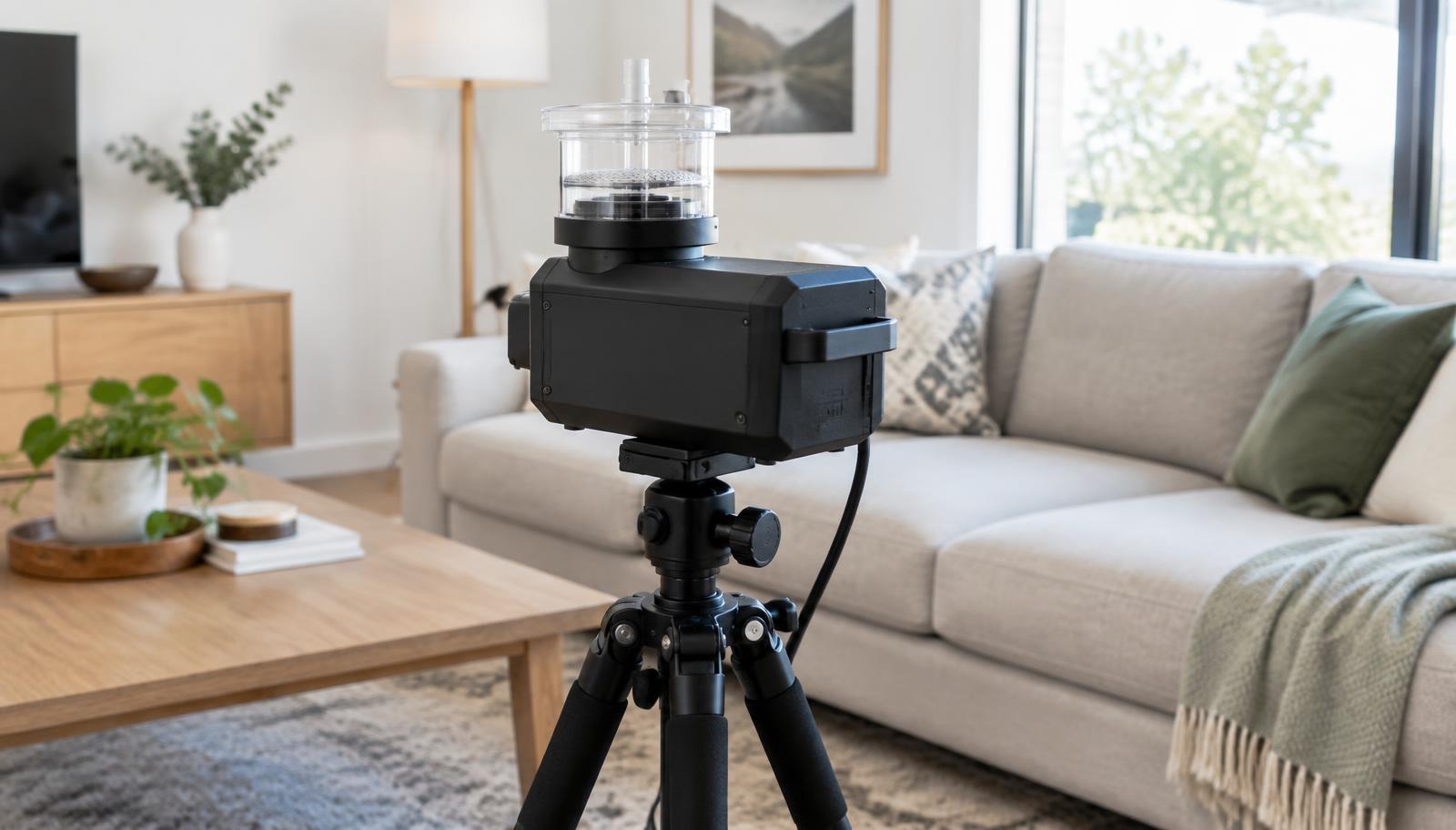
Start with the water path. A number from one air sample cannot tell the entire story of a room.
AirCare 365 · Bay Area
Want real numbers for your home?
Inspection, lab-analyzed air samples and a digital report. $520 online, $0 today.
A pre-arrival decision sequence
Use this sequence rather than buying a test first. It keeps the priority on the building condition and gives contractors clear information to work from.
- No stains, leaks or odor: document the baseline; manage humidity and ventilation, then recheck after the first major storm.
- Active leak or wet material: stop water entry, document it and arrange drying and repair promptly.
- Visible growth: investigate and address moisture and cleanup; sampling usually is not the first step.
- Musty odor or repeated moisture with no clear source: request a focused moisture inspection; discuss whether sampling answers a remaining question.
- Health concern about your child: contact a pediatrician; a building report is supplementary context, never a medical conclusion.
What happens during an AirCare 365 visit?
For Bay Area homes, AirCheck begins with the concern and the home's leak history, then checks accessible rooms with moisture and humidity readings. Thermal patterns are checked against material readings. Where appropriate, indoor samples are compared with an outdoor control and analyzed by an independent lab; the report summarizes findings, photos and next steps.
AirCheck is $595, or $520 when booked online, with $0 due at booking and payment at the visit. You can describe the nursery concern when booking so the visit can focus on it. This is a building inspection, not a pediatric assessment, clearance certificate or guarantee about future conditions.
Frequently asked questions
Should I test my baby's room for mold before birth?+
Start with a moisture and visual check. If there is visible mold, EPA guidance says sampling is often unnecessary; fix water entry and address the growth. A focused inspection may help with hidden or recurring moisture. Ask a pediatrician about health concerns.
Can a mold air test prove a nursery is mold-free?+
No. Spores are present in air and conditions change. A sample describes air at a particular time and place; it cannot rule out hidden growth or predict health outcomes.
What if the room has a musty smell but no visible mold?+
Look for past leaks and condensation, note when the odor is strongest, then consider a moisture inspection if the source stays unclear.
How often should the nursery be tested?+
There is no universal testing schedule for every nursery. Recheck building conditions after leaks, repairs or seasonal changes that reveal persistent moisture; discuss repeat sampling only if it answers a specific question.
Want measured information about your home?
AirCare 365 provides mold inspection and mold and indoor air quality testing across the Bay Area.
Sources
Serving San Francisco, San Mateo, Menlo Park, San Jose, Sunnyvale, Palo Alto, Oakland, Fremont and the rest of the Bay Area.
For the basics, read our guide to mold spores and moisture. For local service details, see Bay Area mold testing.
Read next
- Mold, Kids and Allergies: When to Check a Bay Area Home Again
- Mold Allergy Symptoms at Home: What to Notice, What It Might Mean, and When to Test
- Mold and Allergies: What Homeowners Should Know
- Mold Inspection vs Mold Testing: What's the Difference?
Looking for a visit? Explore home air testing for Bay Area families.