
Quick answer
Kids spend a lot of time close to floors, in bedrooms and in play spaces, and families with allergies want to know how their home changes through the year. A single test is a snapshot. Checking 2–4 times a year shows how humidity, hidden moisture and indoor air compare in wet and dry seasons, and catches changes after leaks or renovations sooner. It's measurement, not medicine — the results are useful to share with your pediatrician.
Key takeaways
- Bay Area homes change a lot between seasons: foggy summers on the coast, storm-heavy winters everywhere.
- Two visits a year (rainy season and dry season) show the home's range; four visits track every season.
- Nurseries, bedrooms and basements/playrooms deserve the closest look.
- Testing documents conditions; health questions belong with your pediatrician.
- AirCare 365 ($950/yr, 2 visits) and Premium ($1,695/yr, 4 visits) are charged per visit, with no commitment.
This guide is general information, not medical advice. If you have health concerns, please consult a medical professional.
Why families think about indoor air differently
Parents tend to think about air the way they think about water and food: they want to know what's there. Children spend long stretches in bedrooms and play areas, often close to the floor, and they can't tell you that a closet smells musty.
Families with allergy-prone members have another reason: when someone's sensitive, it helps to know which conditions at home are steady and which change. That's exactly what repeat measurement shows.
None of this means homes are dangerous or that every family needs testing. It means that if you want facts about your home, seasonal facts are more useful than a single snapshot.
What changes in a Bay Area home through the year
The Bay Area's microclimates make seasonal differences unusually large. A home's readings in one season can look nothing like the next.
- Rainy season (roughly November to March): storms reveal roof, window and gutter leaks; crawlspaces fill; indoor humidity rises as windows stay shut.
- Late winter and spring: materials that got wet over winter are still drying — this is often when musty smells show up.
- Summer on the coast: fog keeps western San Francisco, Pacifica and parts of Marin and the Peninsula humid for months.
- Summer and fall inland: drier air, but closed-up homes during heat or smoke events can trap moisture from showers and cooking.
- After any leak, flood or renovation: conditions can shift suddenly.

The 2-visit schedule: wet and dry
Two visits a year is the most common schedule for families. The idea is simple: see the home at its dampest and at its driest, then compare.
A typical plan is one visit near the end of the rainy season (February to April) and one in late summer or early fall (August to October). The first shows how the home handled the storms; the second shows the baseline when things are dry. Big differences between the two tell you where moisture comes and goes.
This is what AirCare 365 includes: two visits a year for $950, charged per visit when each one happens. You can stop future visits at any time.
2 visits vs 4 visits a year
AirCare 365 · 2 visits
- Rainy season + dry season
- $950/yr, charged per visit
- Shows your home's range
- Most families start here
Premium · 4 visits
- Every season
- $1,695/yr, charged per visit
- Catches new leaks sooner
- Best for past water damage
The 4-visit schedule: every season
Four visits make sense when there's a history of leaks, an older home with a crawlspace, a household member who's particularly sensitive, or when you're tracking the results of repairs.
Quarterly visits catch changes sooner: a slow leak that starts in November shows up before it has months to spread. They also build a detailed history in your Home Air Health Record that you can share with a pediatrician, landlord, contractor or future buyer.
Premium includes four visits a year for $1,695, also charged per visit with no commitment.
Which rooms matter most for kids
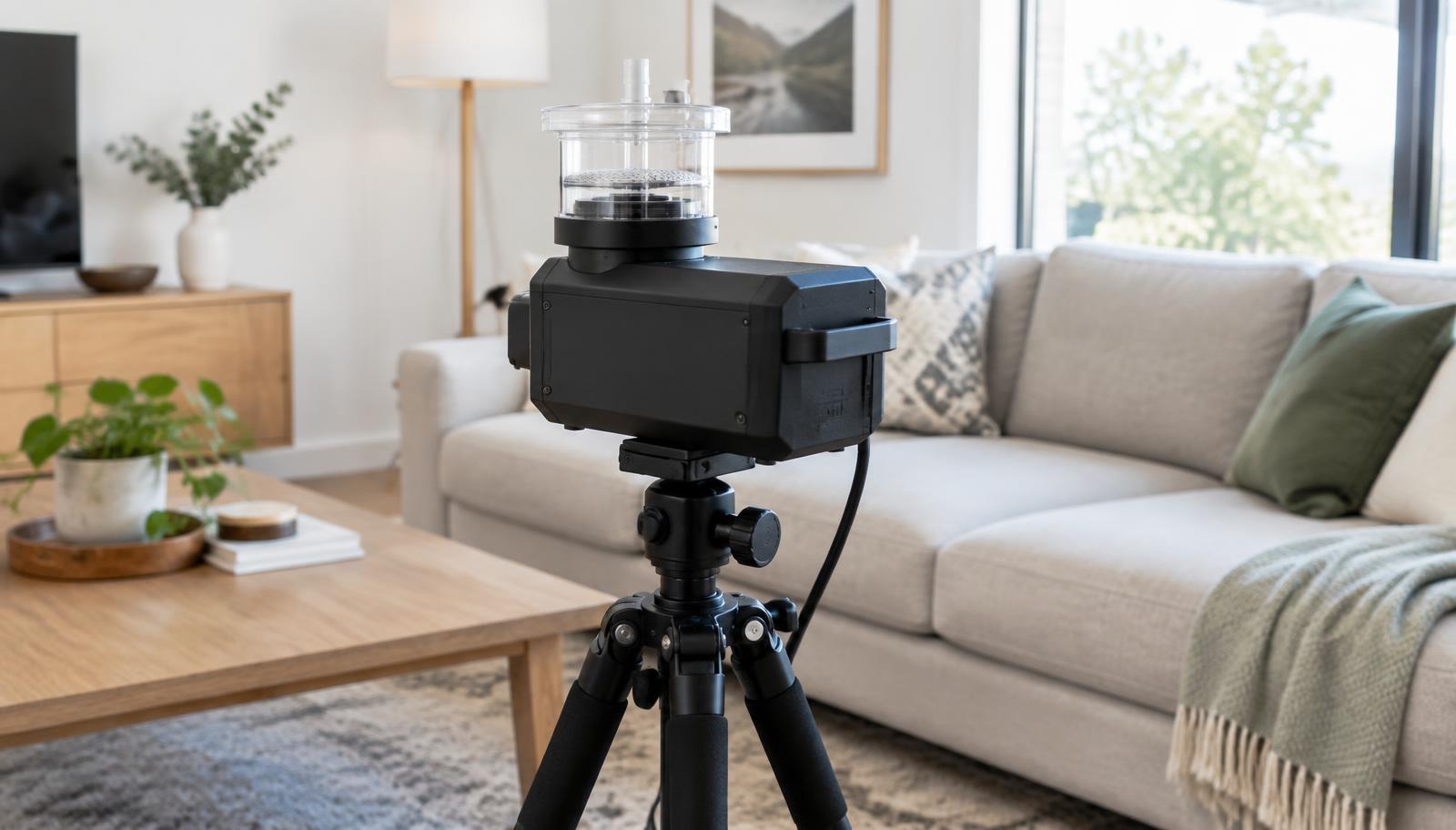
Every visit covers the whole home, but these are the rooms families usually ask us to look at most closely:
- Nurseries and kids' bedrooms, especially on exterior walls or the foggy side of the house.
- Bathrooms kids use, particularly if the exhaust fan is weak or missing.
- Basement playrooms and converted garages, where concrete walls can wick moisture.
- Closets with stored toys, clothes and bedding against exterior walls.
- Rooms below bathrooms or near water heaters and laundry.
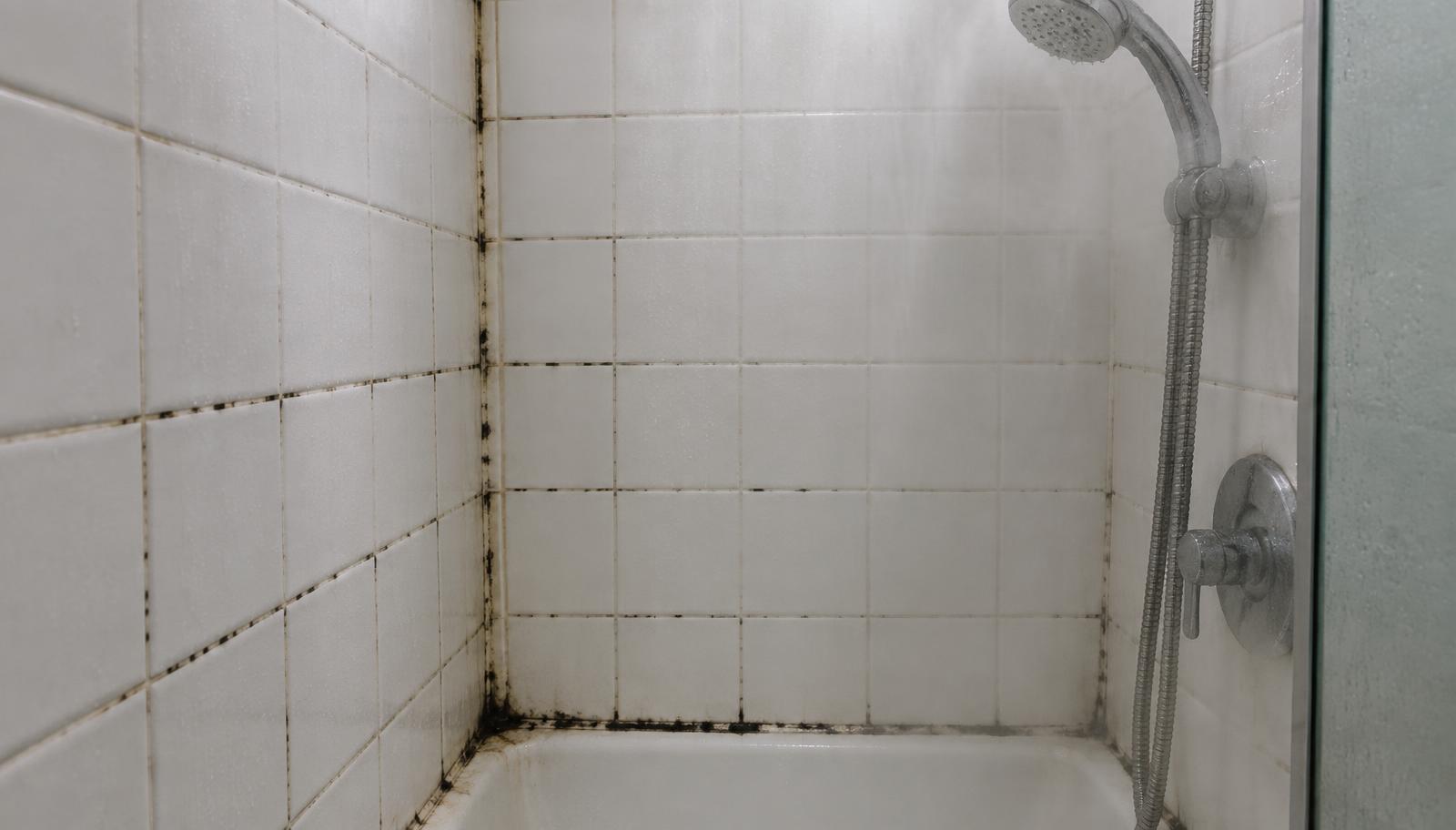
Aim for 30–50% relative humidity
The U.S. EPA recommends keeping indoor humidity below 60%, ideally 30–50%.
One test is a snapshot. Seasonal checks show how your home really behaves.
AirCare 365 · Bay Area
Want real numbers for your home?
Inspection, lab-analyzed air samples and a digital report. $520 online, $0 today.
A real-world pattern
Families often discover that one room behaves very differently from the rest of the house.
What you can do between visits
Measurement works best alongside good habits. These are the steps that public health agencies consistently recommend:
- Put a hygrometer in each child's room and aim for 30–50% relative humidity.
- Run bathroom fans during baths and for 20 minutes after.
- Keep toy bins, furniture and storage a few inches off exterior walls.
- Dry wet towels, swimsuits and rain gear outside the bedroom.
- Fix leaks within 24–48 hours and tell your inspector about them at the next visit.
- Wash bedding and soft toys regularly.
Talking to your pediatrician
If your child has symptoms you're worried about, your pediatrician is the right first call. Testing doesn't diagnose anything, and we never tell families that a home is or isn't the cause of a health issue.
What families find helpful is bringing measured information: humidity trends by room, lab results with an outdoor comparison, and notes on any moisture sources. It turns 'I think the house might be damp' into specifics a doctor can work with.
Frequently asked questions
Why test more than once?+
Bay Area homes change a lot between rainy and dry seasons. One test is a snapshot; two to four visits show how conditions change and catch new moisture sooner.
Is testing safe to do with kids at home?+
Yes. Air sampling uses a small pump that pulls air through a cassette for a few minutes per room. Nothing is sprayed or applied.
Can testing tell me if my child's symptoms are from mold?+
No. We measure home conditions. Please talk with your pediatrician about symptoms; many families share their report as extra context.
Which plan fits a family?+
AirCare 365 ($950/yr) includes 2 visits a year; Premium ($1,695/yr) includes 4. Both are charged per visit, and you can stop future visits anytime.
Do you remove mold?+
No. We inspect and test only, so our findings aren't tied to selling remediation.
Want measured information about your home?
AirCare 365 provides indoor air quality and mold and indoor air quality testing across the Bay Area.
Sources
Serving San Francisco, San Mateo, Menlo Park, San Jose, Sunnyvale, Palo Alto, Oakland, Fremont and the rest of the Bay Area.
Related guides
- Mold Allergy Symptoms at Home: What to Notice, What It Might Mean, and When to Test
- Senior Home Living: Indoor Air and Mold Checks for Aging Parents in the Bay Area
- Assisted Living and Senior Care Facilities: An Indoor Air and Moisture Checklist
- Hospitals and Clinics: Moisture and Mold Monitoring Basics for Facility Teams